The science
Small details.
Big difference.
Diabetes can change how your feet feel, heal and handle everyday friction. Here’s why the right sock is one of the simplest, most effective daily foot-care habits.
4
risks we design around
3
engineering principles
5
daily care steps

The challenge
What diabetic feet are up against.
Reduced sensation
Neuropathy can dull feeling in the feet, so a rubbing seam or bunched fabric may go unnoticed until skin breaks down.
Slower circulation
Reduced blood flow slows healing — and tight elastic tops can restrict circulation in the lower leg even further.
Moisture & infection
Damp skin softens and becomes prone to fungal and bacterial infection, especially between the toes.
Temperature swings
Feet that run cold, swell or overheat need fabrics that regulate temperature throughout the day.
The difference
Ordinary sock vs. DiabSox
Ordinary sock
- Tight elastic cuff
- Raised toe seam
- Thin, flat sole
- Cotton that holds sweat
- Shrinks and loses shape
DiabSox
- Wide, non-binding top
- Hand-linked seamless toe
- Cushioned heel & forefoot
- Moisture-wicking yarns
- Holds its fit wash after wash
How DiabSox helps
Engineered around three principles.
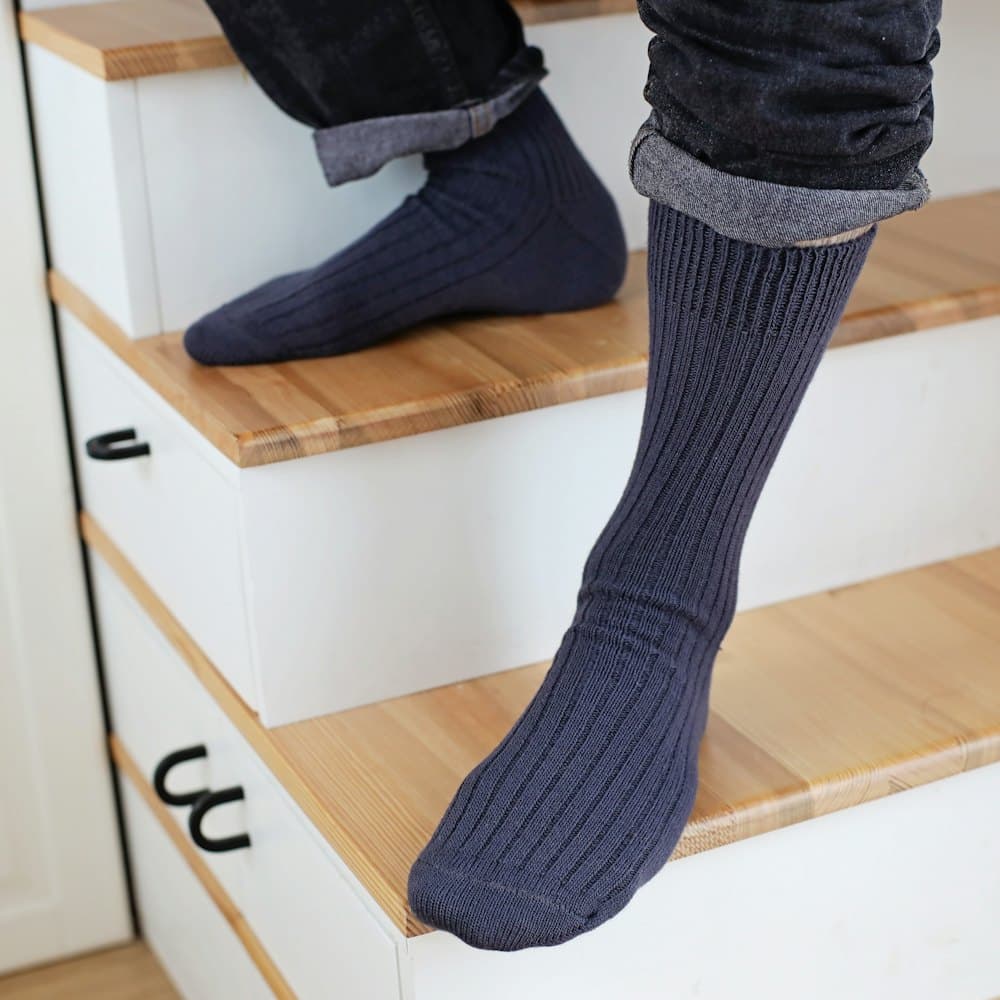
Non-binding construction
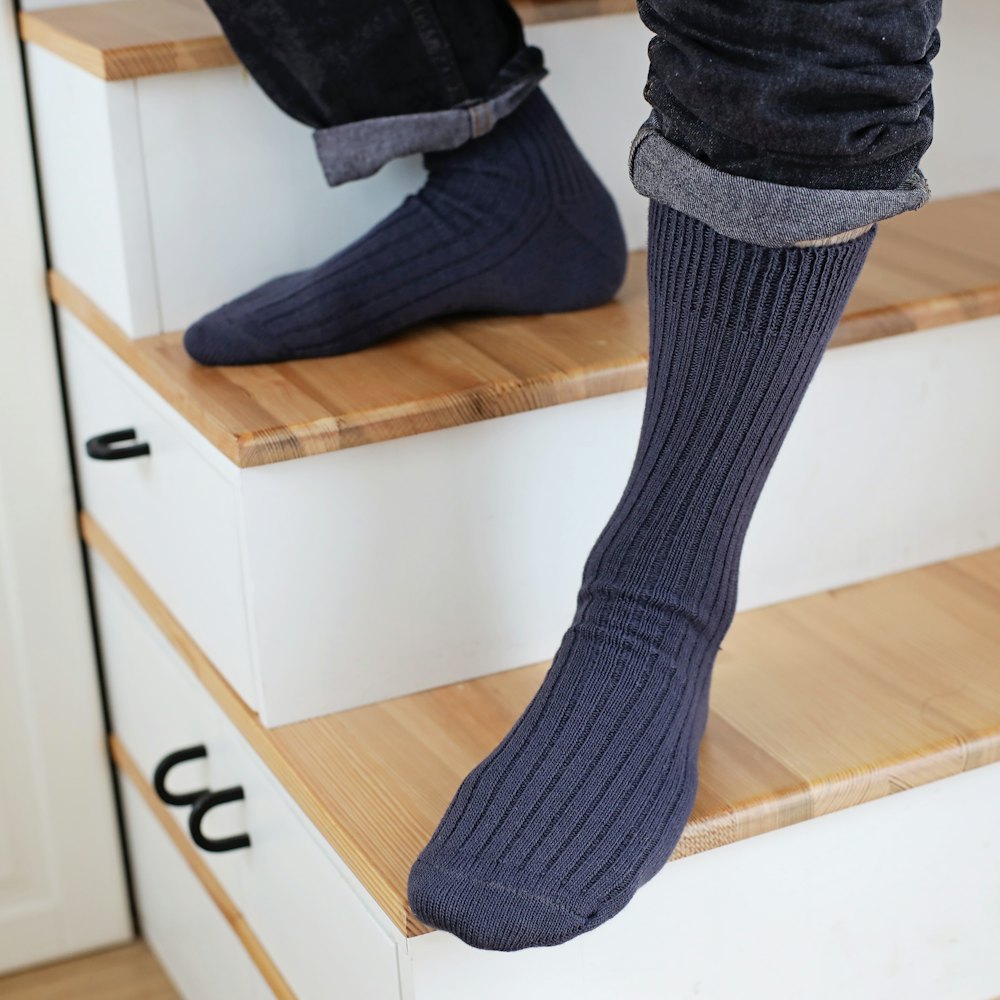
A wide, low-tension top holds the sock in place without squeezing the calf or ankle — so circulation keeps flowing and there are no red rings by evening.
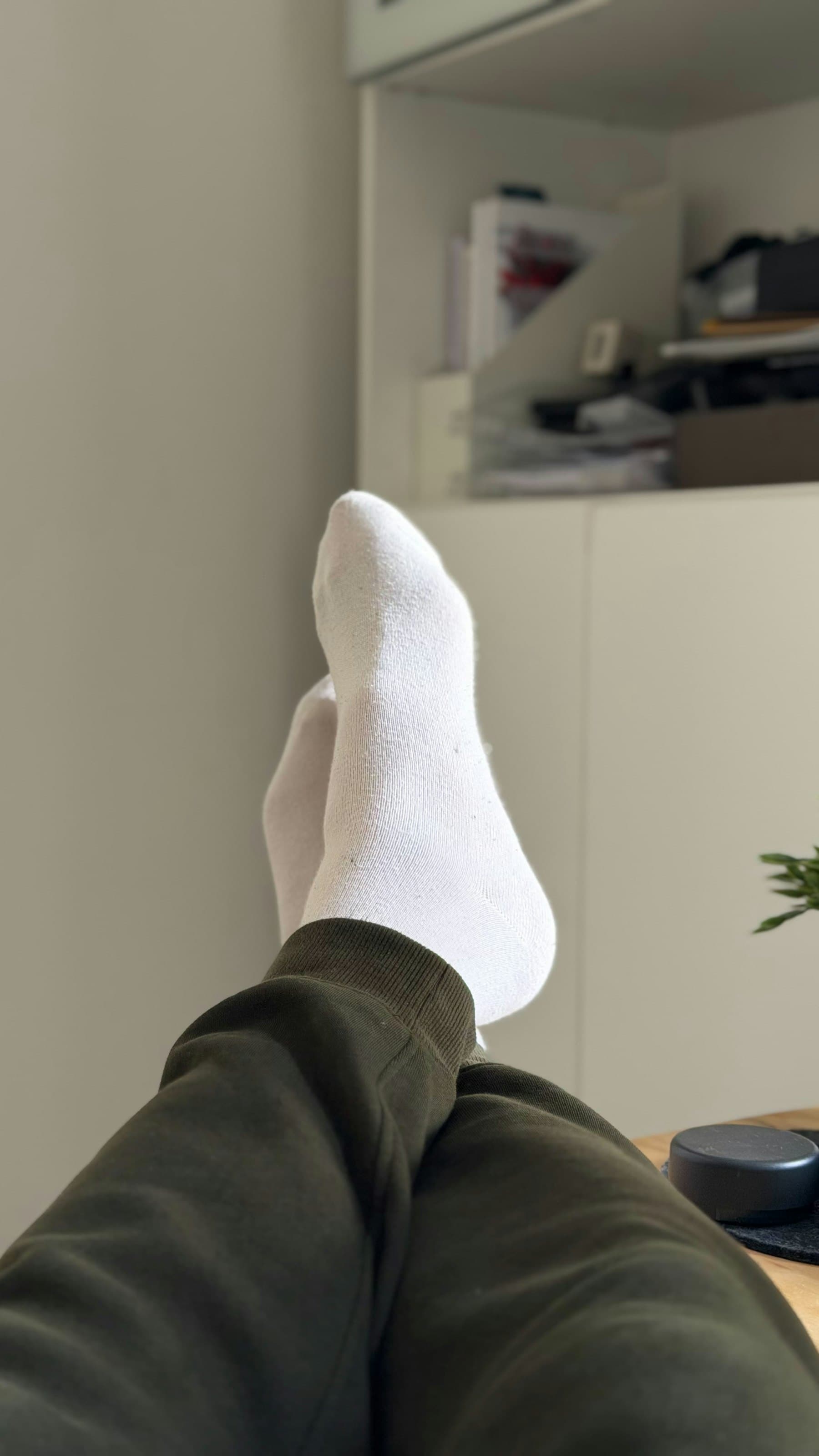
Seamless, padded protection
Hand-linked toes and terry-loop soles remove friction points and spread pressure evenly across the foot, where reduced sensation matters most.
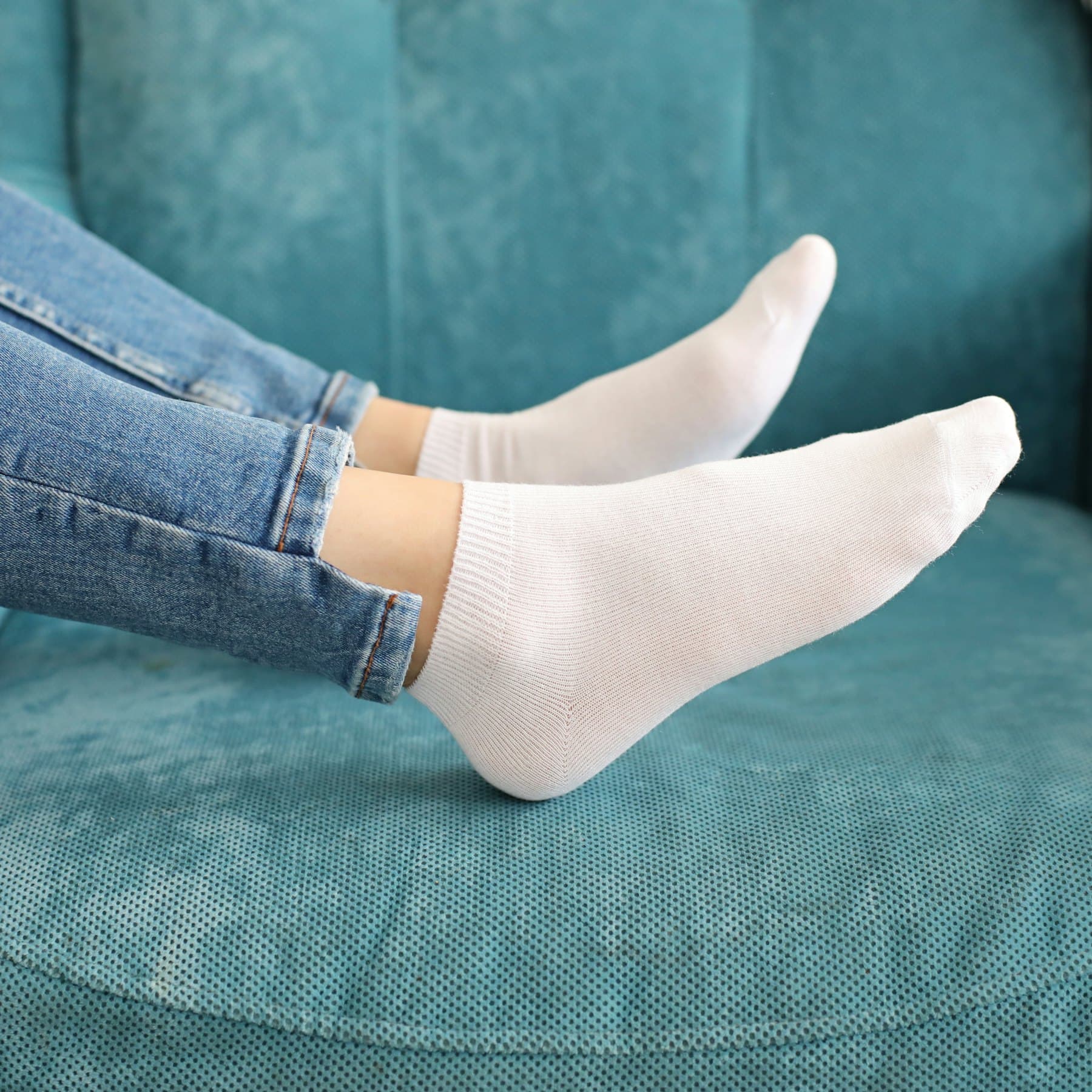
Moisture management
Performance yarns, bamboo and merino pull sweat away from the skin to keep feet dry, comfortable and less hospitable to infection.
Choosing your support
Compression vs. non-binding.
Most people with diabetes do best in non-binding socks every day. Compression applies gentle pressure that is strongest at the ankle and can help with swelling.
Compression isn’t right for everyone. If you have peripheral arterial disease (PAD), open wounds, or aren’t sure, talk to your doctor first.
Non-binding
0mmHg
The everyday choice for almost everyone, including people with reduced circulation.
Mild compression
8–15mmHg
Gentle graduated support for tired legs and mild swelling.
Moderate compression
15–20mmHg
Firmer support for travel, long shifts and recovery.
Your daily routine
Five minutes a day for healthier feet.
Try it now — tap each step as you complete it.
Tick off each step as you go.
This page is for general education and isn’t a substitute for professional medical advice. Always follow the guidance of your healthcare provider.

Put the science on your feet.
Every pair comes with free shipping on qualifying orders and our 60-day comfort guarantee.
Shop DiabSox